Site investigations
What a ground investigation actually involves
Describe what you have noticed at your home. A specialist firm will read it and tell you whether a site investigation is needed, without charging you for the enquiry or committing you to any work.
Why an investigation happens before anything else
A crack in a wall does not explain itself. It might be seasonal movement in clay, a leaking drain washing soil away, or tree roots pulling moisture from the ground beneath the footings. Guessing wastes money and can make things worse.
A site investigation finds out what the ground is doing so the right repair can follow. Without it, a contractor would be guessing at the depth of the foundations or the type of soil underneath. The specialist digs trial holes, takes samples and records everything before proposing a single fix.
This matters because the wrong repair costs twice: once to do it, and again to undo it when the movement continues. An investigation is the step that stops that from happening.
Trial holes and footing depths
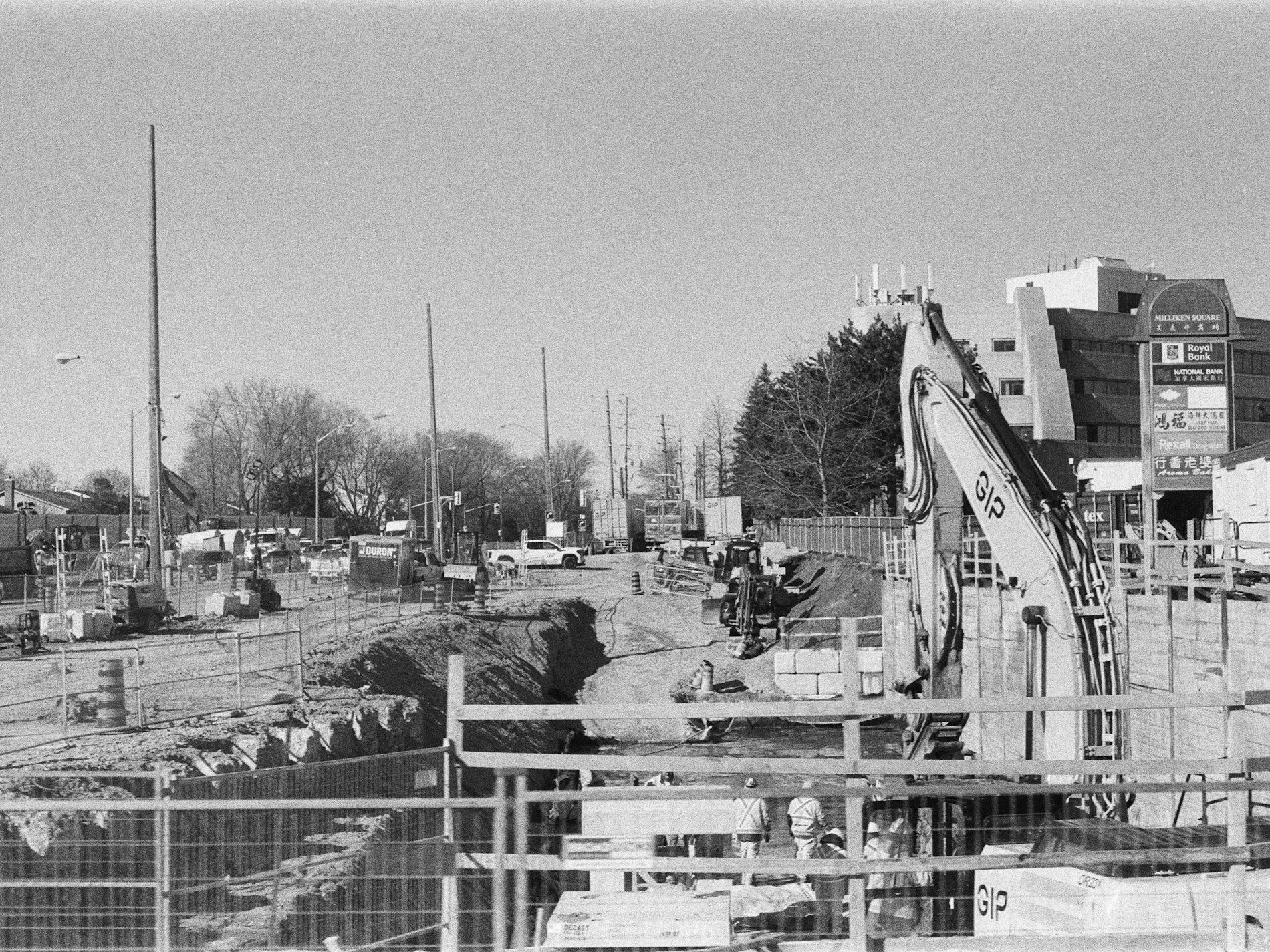
The first thing the specialist does is dig. They cut trial holes next to the walls where movement shows, usually by hand or with a small mechanical digger if access allows. The hole goes down past the bottom of the foundation so the full depth can be measured.
Footing depth matters because shallow foundations move more easily than deep ones. In Kent, older houses often sit on brick footings less than half a metre down, while newer builds go deeper. The specialist logs exactly what they find: the width of the concrete, the condition of the brickwork above it, and whether the base sits on firm ground or soft fill.
They also look at the sides of the hole. Layers of soil tell a story. Dark topsoil gives way to clay, sand or chalk, and each layer behaves differently when wet or dry. Recording these layers is how the specialist builds a picture of what holds the house up.
Taking soil samples and testing plasticity
Soil is not just dirt. Clay shrinks when it dries and swells when it rains. Sand drains fast but washes away if water flows through it. Chalk dissolves slowly over decades, leaving voids. The specialist takes samples from each layer in the trial hole and sends them to a laboratory.
The most common test measures plasticity. A high plasticity index means the clay changes volume dramatically with moisture. That tells the specialist whether the ground under the home is likely to heave in winter and shrink in summer, which is the pattern behind many cracks in Kent homes built on Weald Clay.
Other tests check moisture content at different depths. If the soil near the surface is much drier than the soil two metres down, something is extracting water from the top layer. That points toward vegetation as a factor.
Identifying roots and their reach
When the trial hole is open, the specialist looks for roots. Fine hair roots mean a plant is drawing moisture nearby. Thick structural roots can push against footings directly.
Not every tree causes problems. The species, its distance from the wall, and the soil type all determine how far its roots travel and how much water they take. A poplar on heavy clay reaches further and drinks more than an apple tree on chalk. The specialist identifies the species and maps the root positions relative to the foundations.
In parts of Kent where old orchards were cleared for housing, leftover roots decay and leave channels in the soil. These channels fill with water or collapse, causing localised settlement. Finding them requires careful digging and sometimes probing beyond the trial hole itself.
Drain testing and leak detection
Water escaping from a cracked pipe softens the ground beneath a home. Before assuming the soil is naturally weak, the specialist tests the drains.
A CCTV camera goes down the pipes to look for fractures, displaced joints or blockages. If the camera shows damage, a pressure test confirms whether water is leaking out into the surrounding soil. Even a slow drip over years can hollow out the ground under a footing.
This step is separate from the soil investigation but runs alongside it. A trial hole might reveal saturated clay, but without testing the drains, nobody knows whether the saturation comes from rain or from a broken pipe three metres away. Both answers change what happens next.
Reading the log and deciding what follows
Every measurement, sample and photograph goes into a written log. This document records the depth of each foundation, the soil types found, the moisture readings, the position of any roots, and the condition of the drainage.
The specialist uses this log to recommend a course of action. If the footings are too shallow for the clay beneath them, underpinning may be necessary. If a drain leak caused the movement, fixing the pipe might be enough. If the ground is weak but accessible, resin injection or screw piling could stabilise it without major excavation.
The investigation does not commit anyone to a particular repair. It establishes facts so the homeowner understands why their walls are cracking and what options exist to stop it.
What the signs around your home point to
Cracks and sticking doors appear for different reasons depending on the soil, the weather, and what grows nearby. The same symptom in two houses often has two entirely different causes.
- Diagonal crack wider at the top
- Often points to foundation movement on one side. A trial hole and soil test show whether clay shrinkage or a drain leak is responsible.
- Doors catching on the frame in summer
- Suggests seasonal swelling in clay soil beneath the threshold. Moisture testing at depth confirms whether the ground is cycling between wet and dry.
- Puddles that stay near the wall after rain
- Indicates poor drainage or a broken gutter downpipe saturating the footing. A drain survey rules out underground leaks.
- Fine cracks across interior plaster
- Usually thermal movement rather than ground failure. Checking footing depth and soil type separates harmless settling from early subsidence.
- Gaps opening between skirting and floor
- Can signal a concrete slab dropping independently of the walls. Core sampling reveals whether the fill beneath the slab has compacted or washed out.
Questions before agreeing to an investigation
Will digging trial holes damage my garden or driveway?
The specialist keeps the holes as small as practical and reinstates the ground afterward. Lawns are cut neatly and replaced. Hardstanding may need patching, but the area disturbed is limited to what is strictly necessary to reach the footing.
How long does a site investigation take?
Most residential investigations finish within a day. Digging the holes, logging the soil, taking samples and running a drain survey happen in sequence. Laboratory results for plasticity and moisture take longer, usually a week or two.
Do I need to be at home while the work happens?
Someone needs to let the specialist in and show them where the cracks are. After that, the work happens outside. You do not need to supervise the digging or stay in the garden while samples are taken.
What if the investigation finds nothing wrong?
That is a useful result. It means the movement is likely seasonal or cosmetic, and expensive repairs like underpinning are unnecessary. The written log still serves as evidence if you sell the home later or deal with an insurer.
Does the investigation include a quote for repairs?
The investigation produces findings and recommendations. A separate quote for any recommended work follows once the results are reviewed. You are not obliged to proceed with the suggested repair, and the investigation fee covers only the ground assessment.
Can tree roots really cause subsidence?
Roots extract moisture from clay soils, causing the ground to shrink and the foundations to settle. Whether a specific tree is responsible depends on its species, distance from the wall, and the soil type. The investigation measures these factors directly.
Tell us what you have noticed
Send a description of the cracks or movement you see. A specialist firm will review it and advise whether a site investigation makes sense. There is no charge for the enquiry and no obligation to proceed.
- No cost to enquire
- No obligation to proceed
- Read by a specialist firm