Margate homes
Ground movement and old cellars in Margate
Margate sits on Thanet chalk, with seafront terraces and back-street houses built over old vaults. Find out how a specialist investigates what lies beneath a home rather than guessing from the crack above it.

Specialist work for Margate homes
Each method suits different ground conditions and building types. A specialist chooses the right approach after examining the soil and foundations beneath the house.
-

Subsidence Help
A specialist visits the home to record cracks, measure movement and determine whether the ground beneath is still shifting or has settled naturally.
-

Underpinning
The contractor excavates below the existing footing and pours new concrete in sections to transfer the weight of the house to firmer ground.
-
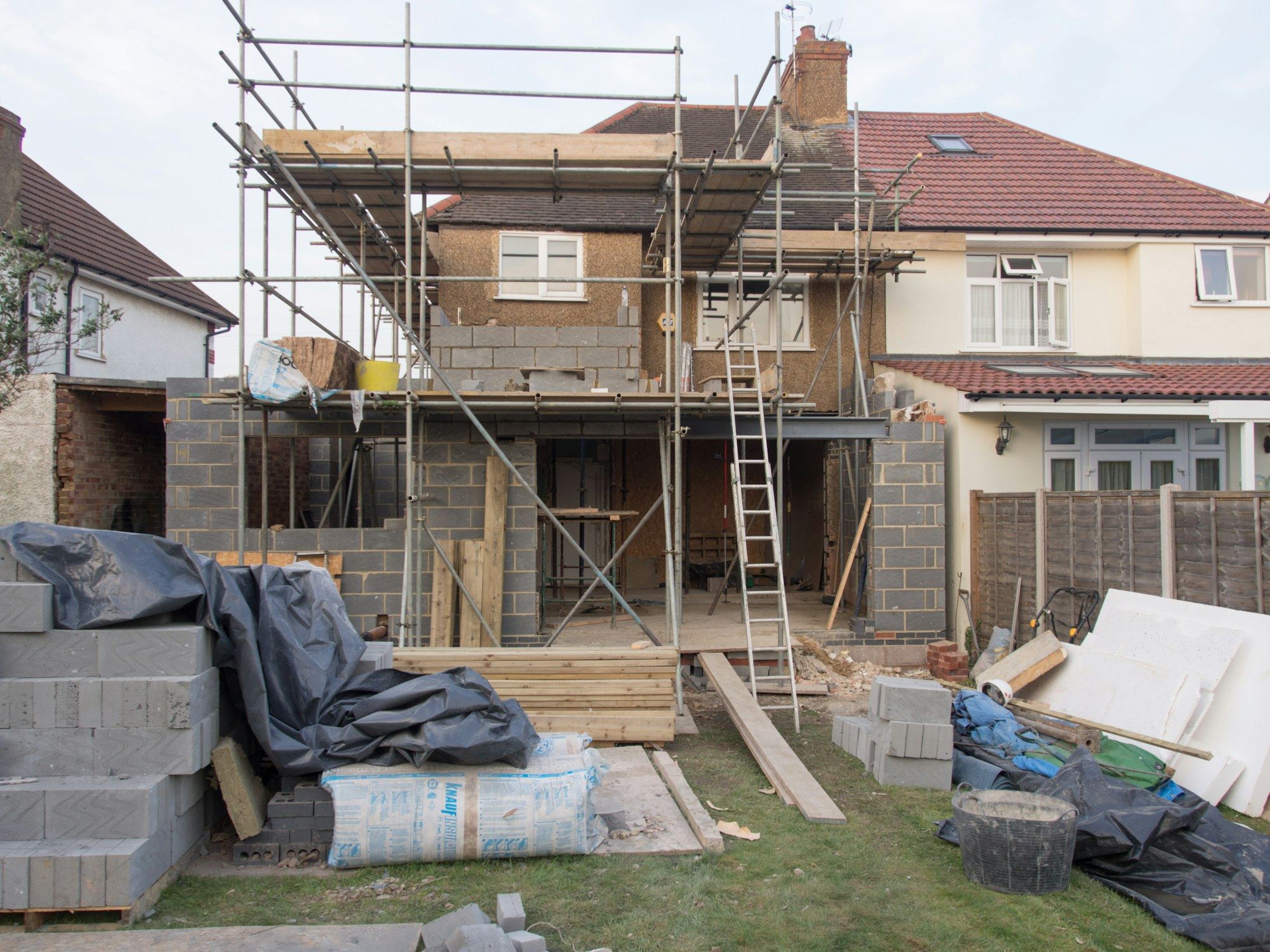
Resin Injection
A technician pumps expanding resin into weak or washed-out chalk to fill voids left by water and stabilise the soil without major excavation.
-

Concrete Cracking
The firm assesses cracked slabs and floors, identifying whether the damage stems from subsidence, thermal movement or poor original construction.
-
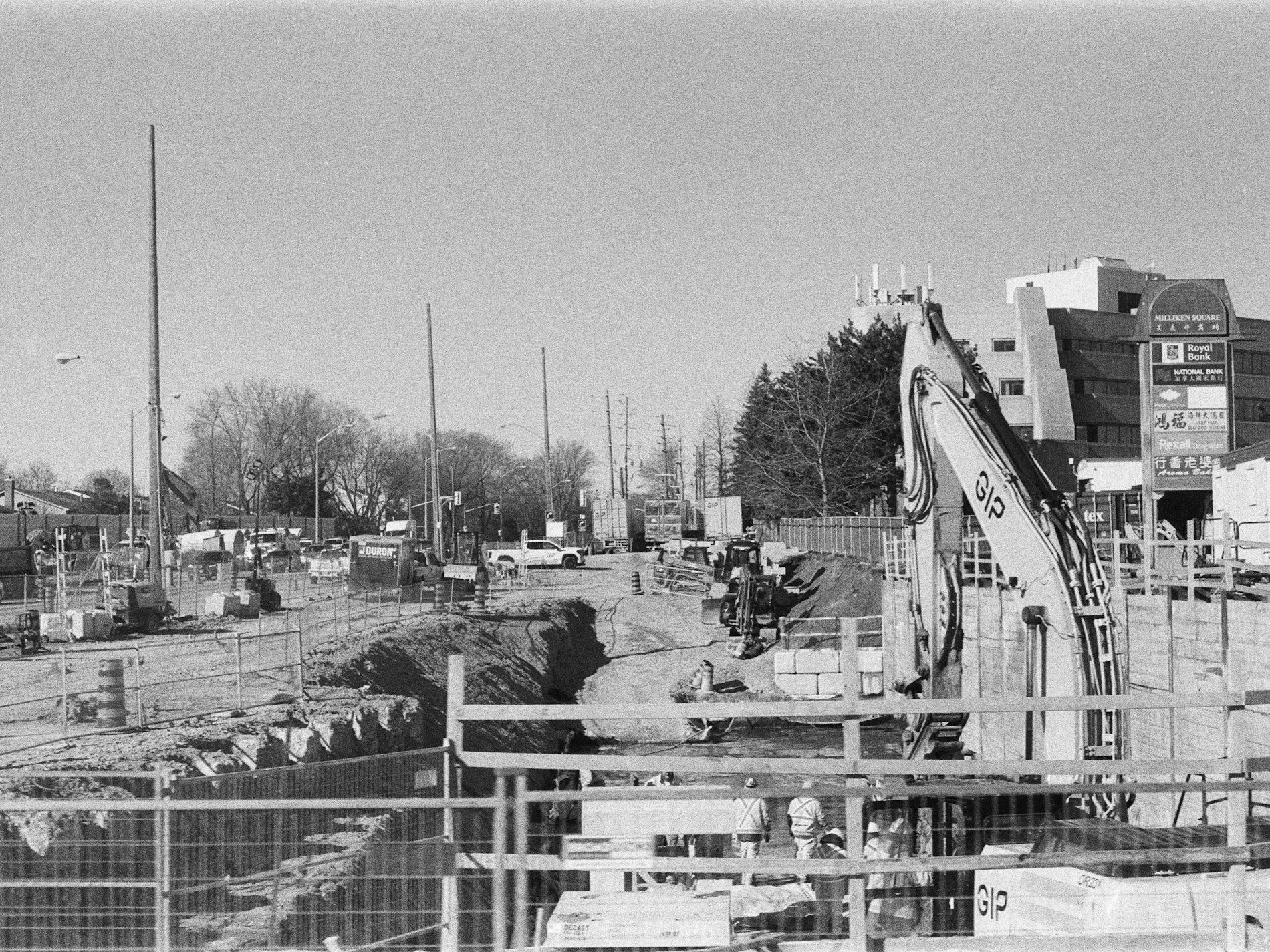
Screw Piling
An installer drives steel piles through loose fill to reach load-bearing strata, supporting bay windows or porches that have dropped away from the main wall.
What the signs might mean
A crack near the coast does not always point to the same cause as one inland. The shape, position and timing of the damage tell a specialist where to look underground.
- A gap opening between the skirting and the floor
- Floor joists may be dropping because the ground beneath them has shrunk or washed away. A trial pit would show whether the void is shallow or deep.
- Diagonal cracks wider at the top near a window
- This pattern often follows uneven settlement in chalk. Borehole samples taken outside the wall reveal if the substrate is intact or riddled with hollows.
- Doors sticking only during dry summer months
- Seasonal moisture loss can shrink clay or drain water from porous chalk. Monitoring pins fixed across the frame track whether movement stops when rain returns.
- Damp patches spreading up from a basement wall
- Water may be pooling against old brickwork or leaking through a collapsed vault. A specialist inspects the cellar to map where moisture enters.
Ways a home can be stabilised
Margate sits on Thanet chalk, with old cellars and vaults running beneath many terraces. A specialist investigates what lies under the foundations before deciding how to stabilise a home.
Towns covered across Kent
Enquiries from anywhere in Kent are accepted. Specialist firms operate throughout the county, bringing knowledge of local geology from the chalk downs to the coastal cliffs.
If your town is missing, send an enquiry anyway. Coverage extends across the whole county.
Describe what you have noticed
The details go directly to a specialist who works in Kent. They review the information and reply with their initial thoughts. Sending an enquiry does not commit you to any repair work or fee.
- No obligation
- Direct to a specialist
- Local knowledge