Local guidance
Cracking in Tunbridge Wells homes on clay and slopes
Tunbridge Wells sits on sand over Wadhurst Clay, with steep gardens and heavy tree cover. Find out what a specialist weighs up when Victorian villas or converted flats on wooded slopes start to crack.

What a specialist can do for your home
Each method suits different ground conditions. A specialist decides which one fits after examining the soil, the foundations and the trees around your home.
-

Subsidence help
A specialist investigates movement, takes soil samples and monitors cracks to find out whether the ground beneath your home is still shifting.
-

Underpinning
A contractor excavates below the existing foundations and pours new concrete to reach stable ground where clay shrinkage has left them unsupported.
-

Resin injection
A specialist pumps expanding resin into weak or washed-out soil to fill voids and firm up the ground without major excavation work.
-

Concrete cracking
A contractor assesses cracked floors, slabs and drives, then repairs or replaces the concrete once the underlying ground movement has stopped.
-
Screw piling
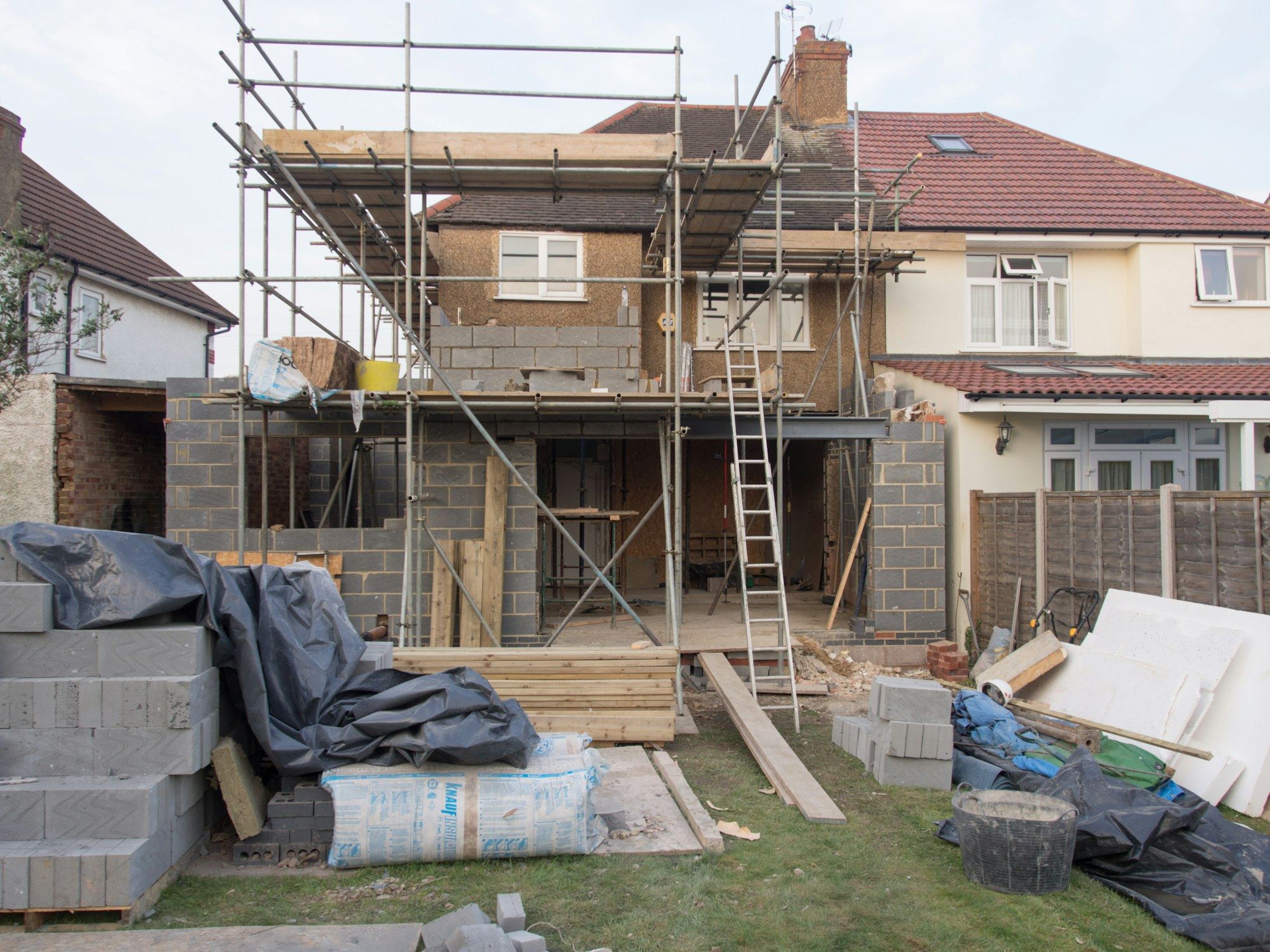
A specialist drives steel screw piles deep into stable soil to support bay windows, porches and extensions built on sloping Tunbridge Wells gardens.
Reading the signs around your home
A crack near a window means something different from one running down a party wall. The position, width and direction of the split tell a specialist where to look first.
- Diagonal cracks wider at the top near windows
- Clay shrinkage often pulls foundations down unevenly. Borehole samples and level monitoring show whether the movement is seasonal or still progressing.
- Doors sticking in summer but fine in winter
- Wadhurst Clay swells when wet and shrinks when dry. A specialist tracks moisture levels across the year to confirm this pattern.
- Gaps opening between a bay window and the wall
- The bay may have shallower footings than the main house. Trial pits reveal whether the ground underneath has washed out or compressed.
- Cracks in the shared wall of a converted flat
- Differential settlement between two parts of a large Victorian villa causes this. Root samples check if nearby trees are drawing moisture from the clay.
- Patio slabs tilting towards the garden slope
- Surface water running down a steep Tunbridge Wells garden can erode the subsoil. A drainage survey and soil tests pin down the cause.
Ground stabilisation methods used locally
The right method depends on what the investigation finds. These are the approaches specialists use most often in Kent.
- Subsidence Help: From First Enquiry For early-stage movement that needs monitoring before any repair begins.
- Underpinning: How Foundations Are Deepened Where foundations must reach deeper, stable strata below shrinking clay.
- Resin Injection Into Weak Ground To fill voids left by leaking drains or water washing through sandy layers.
- Cracked Concrete Floors, Slabs and Drives For damaged concrete surfaces once the ground beneath them has been stabilised.
- Screw Piles for Bays, Porches and Extensions For lighter structures on steep ground where traditional digging is difficult.
Areas covered across Kent
Enquiries are taken from homeowners anywhere in Kent. Specialists operate throughout the county, so someone local handles the investigation and any subsequent groundworks at your home.
If your town is not listed here, send an enquiry anyway. Coverage extends across all of Kent.
Tell us what you have noticed at home
Describe the cracks or movement you see. The details go to a specialist who will call you to discuss the next steps. Sending an enquiry does not commit you to any work or cost.
- No obligation to proceed
- Specialist calls you directly
- Free initial discussion