Rochester homes
Find out if the cracks in your old Rochester home mean fresh movement
Period brick, ragstone and timber frames settle over centuries. A crack that looks alarming might be two hundred years old. Describe what you have noticed so a specialist can tell you whether it needs attention now or has sat unchanged since the Victorians.
- Old distortion separated from new
- No obligation to proceed
- Specialists who know Kent ground

Tell us what you have noticed
In your area
Rochester is covered for ground movement enquiries
Rochester sits on the Medway with streets of Georgian and Victorian houses built close to water. Enquiries from here go to specialists familiar with riverside clay and the chalk beneath the town centre. They understand how older walls behave on this specific ground.
- Riverside clay
- Houses near the river sit on alluvial deposits and London Clay, which shrink and swell with the seasons.
- Chalk workings
- Parts of Rochester rest above historic chalk mines and dene holes that can leave voids below foundations.
- Timber frames
- Tudor and later timber-framed buildings flex differently from masonry, producing their own pattern of cracks.
The usual worries about old walls
Owners of period homes in Rochester ask these questions constantly. None of them are silly. The age of the building makes every crack harder to read, and the answers depend on the materials used.
-
Is this crack from subsidence or just the house settling?
A specialist examines the crack width, direction and edges to separate centuries of slow settlement from recent ground loss.
-
My walls are ragstone. Does that change things?
Ragstone moves differently from brick. Specialists account for its irregular bonding when reading distortion patterns.
-
Will my timber frame collapse if the ground shifts?
Oak frames bend rather than snap. Fresh movement shows as torn joints or racking, not sudden failure.
-
How does anyone tell old damage from new?
They use crack monitors, historical photographs and sometimes trial pits to date the movement accurately.
-
Does living by the river make subsidence more likely?
Riverbanks erode and water tables fluctuate, both of which affect shallow foundations more than deep ones.
What a specialist can do for your home
Depending on what the investigation finds, different methods stabilise the ground or support the structure. Each approach suits particular soil conditions and building types found around Rochester.
-

Subsidence Help
A specialist investigates the cause of movement through site surveys, boreholes and monitoring before recommending any repair work.
-
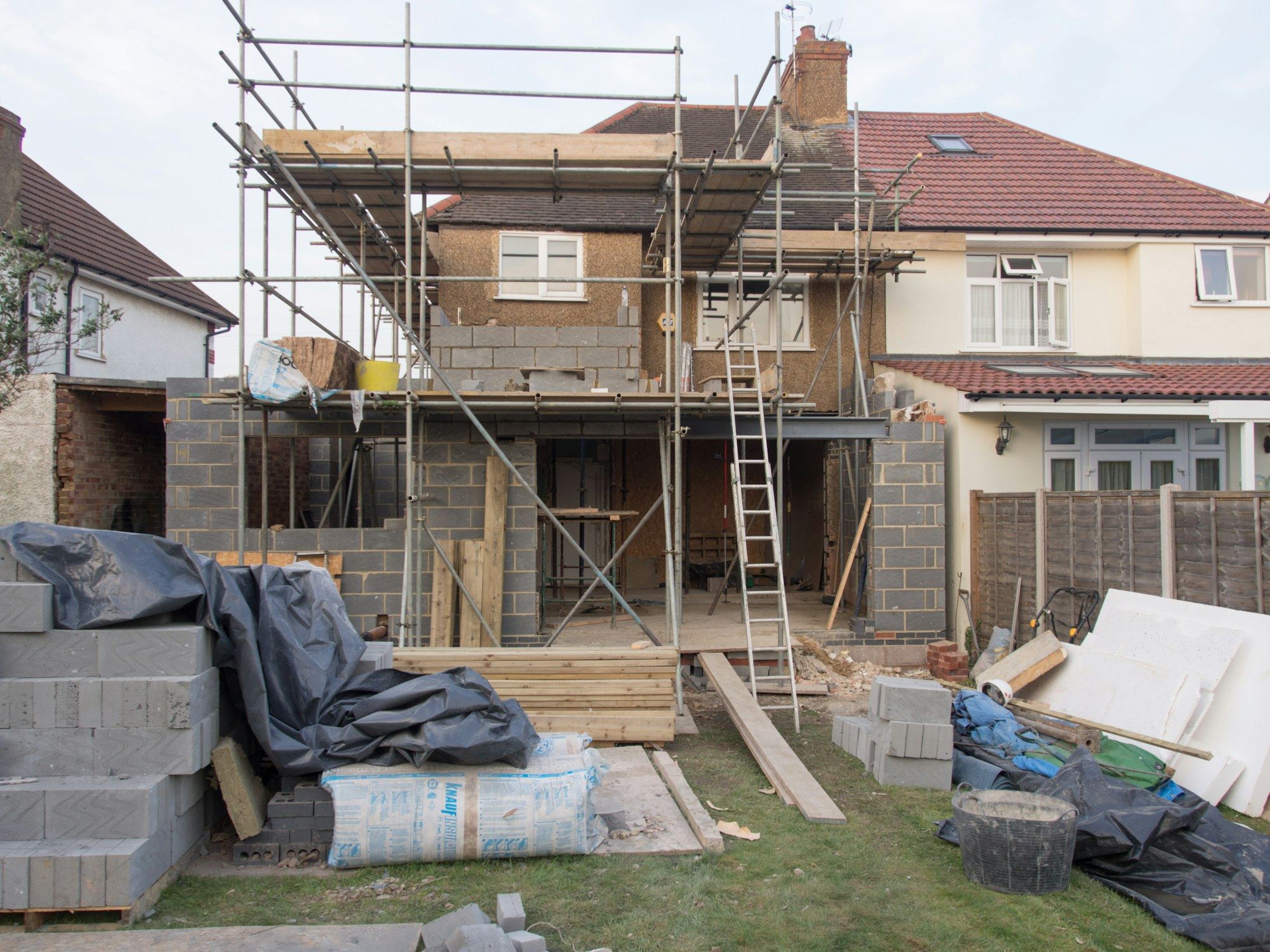
Underpinning
Where foundations need extra depth, a specialist excavates sections below the existing footing and pours new concrete to reach stable ground.
-

Resin Injection
A specialist pumps expanding resin into weak or washed-out soil to fill voids and compact loose material beneath the slab.
-
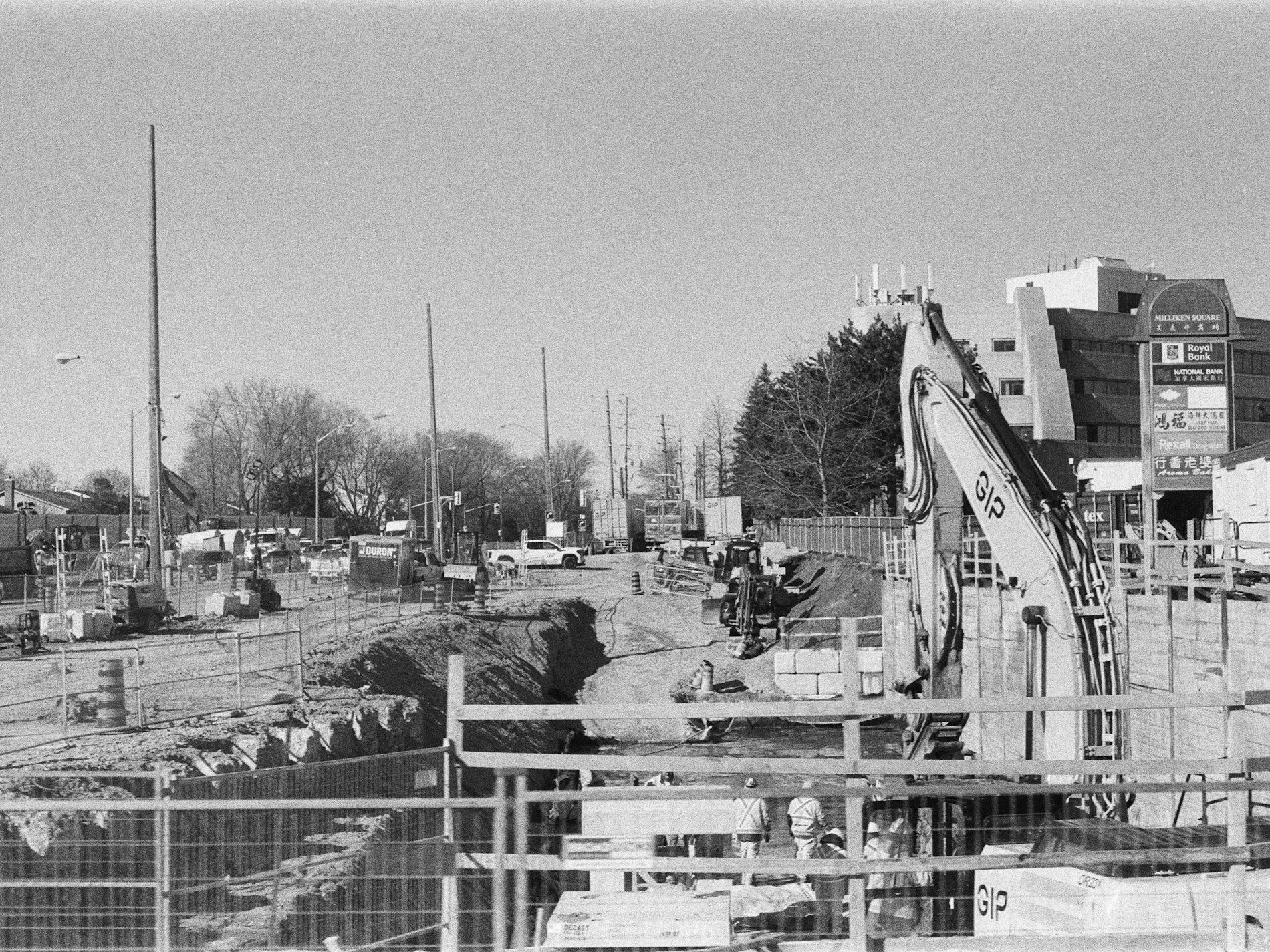
Concrete Cracking
A specialist assesses cracked floors and drives to determine whether the damage stems from ground movement or surface wear.
-
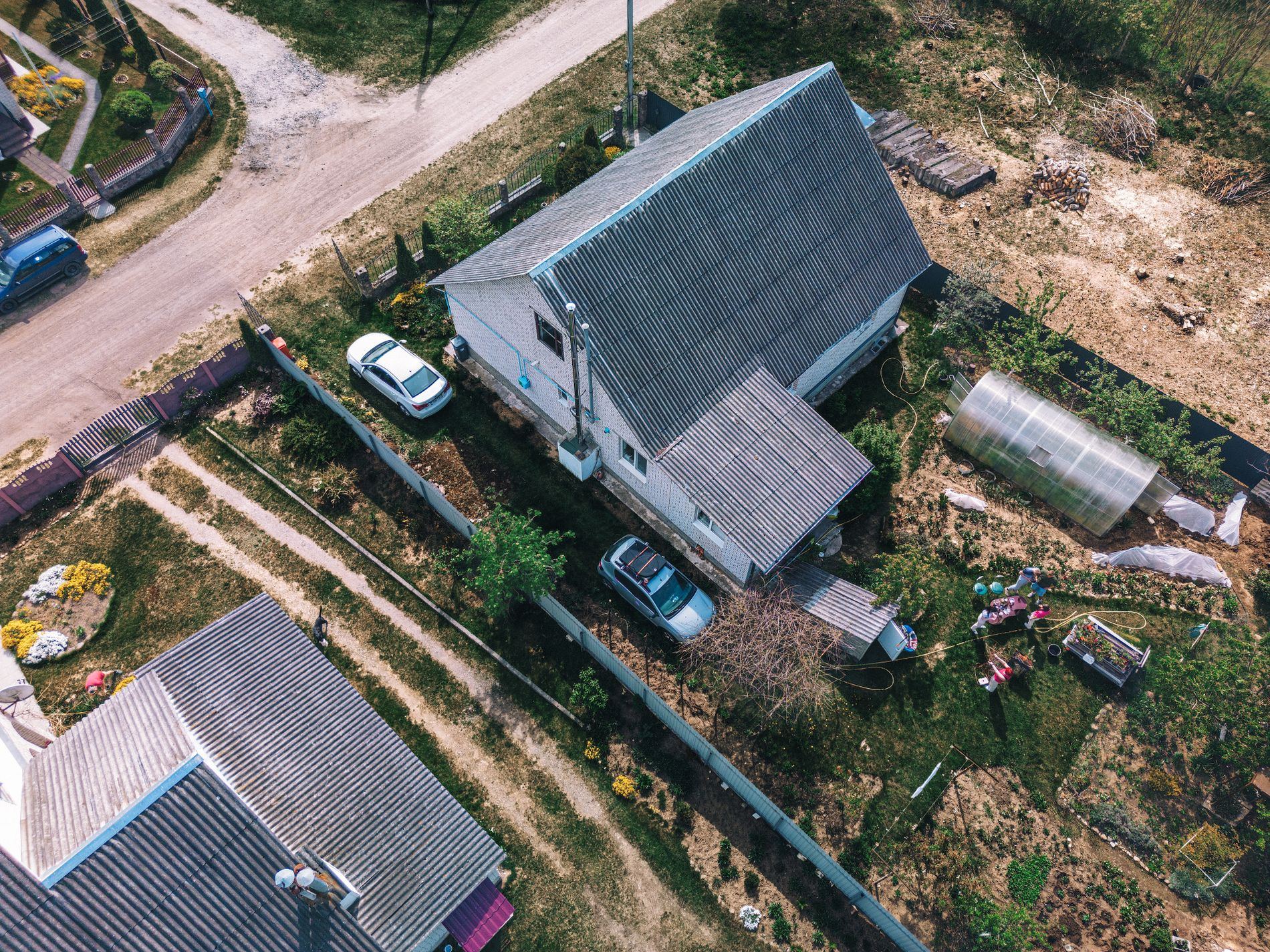
Screw Piling
A specialist drives steel screw piles into load-bearing strata to support bay windows, porches and extensions without heavy excavation.
Towns across Kent taking enquiries
Enquiries come in from every part of the county. Each goes to a specialist operating in that area who understands the local geology, from Weald Clay to coastal chalk and riverside alluvium.
If your town is missing, send an enquiry anyway. Coverage extends across the whole county.
Describe what you have noticed
Write down where the crack is, how wide it looks and when you first saw it. This information goes to a specialist. It does not commit you to any work or cost.
- No payment required
- No commitment to buy
- Read by a specialist