
Sittingbourne
Cracks in homes built over Sittingbourne brickfields
Send a description of what you have noticed at home. A specialist will read it and tell you whether the ground under your estate needs investigating, without charging for that first look.
Why the walls are cracking on your estate
Sittingbourne grew fast over old brickearth pits and clay workings. Many estates sit on ground that was dug out and backfilled decades ago. When that fill settles or washes out, the house above moves and cracks appear in the plaster and brickwork.
- 1
Diagonal cracks near windows
A line running from a window corner toward the ceiling often means one part of the wall has dropped lower than the rest.

- 2
Doors that stick in summer
Frames warp when humidity rises, but a door that jams all year round can point to movement in the wall around it.
- 3
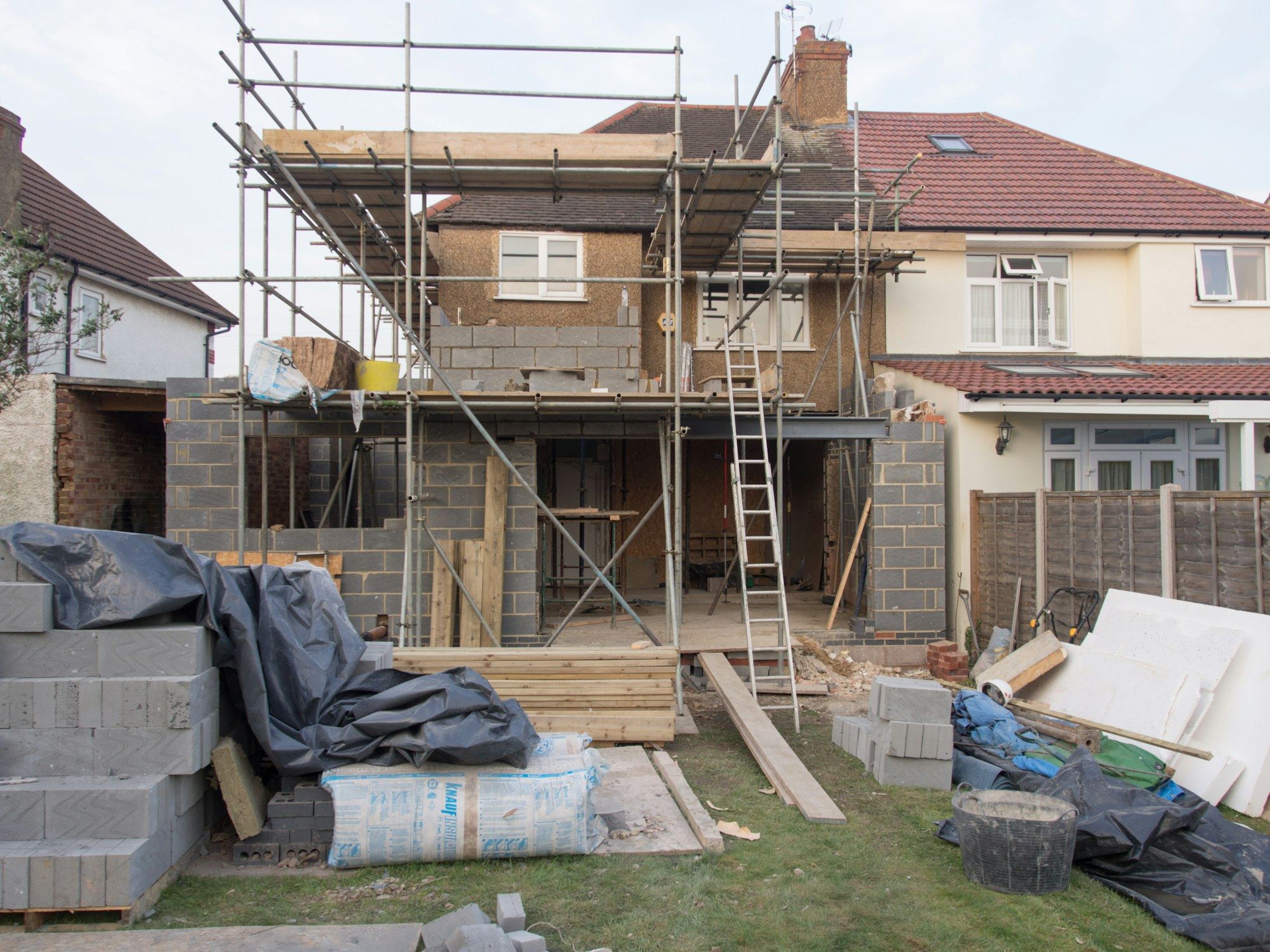
Gaps at the skirting board
A gap between the floor and the skirting usually shows the floor has dropped away from the wall it once sat flush against.

- 4
Cracks wider than a coin
Hairline cracks happen as plaster dries. Anything you can fit a two-pound coin into suggests the structure is shifting.
What the cracks might mean
The same crack can come from drying plaster or from a void left by an old clay pit. A specialist looks at the pattern, width and position to work out which cause fits.
- Cracks only in the plaster skim
- Shrinkage as the plaster dried. A specialist checks whether the crack stops at the blockwork behind it to confirm this.
- Steps running through the mortar joints
- Differential settlement, common where a house straddles solid ground and old backfill. Trial pits would show the depth of the fill.
- A floor that slopes to one side
- Compaction of the material beneath the slab. Boreholes determine whether the soft layer is shallow or extends deep into old workings.
- Cracks reopening after they were filled
- Ongoing movement rather than a one-off shift. Monitoring over several months tells a specialist whether the ground is still settling.
- External brickwork splitting at the corner
- Rotation of a wall section, sometimes caused by tree roots in shrinkable clay or by a void below the footing.
How specialists stabilise ground and walls
The right method depends on how deep the weak ground goes and what sits above it. Each approach tackles a different part of the problem.
-
Subsidence Help
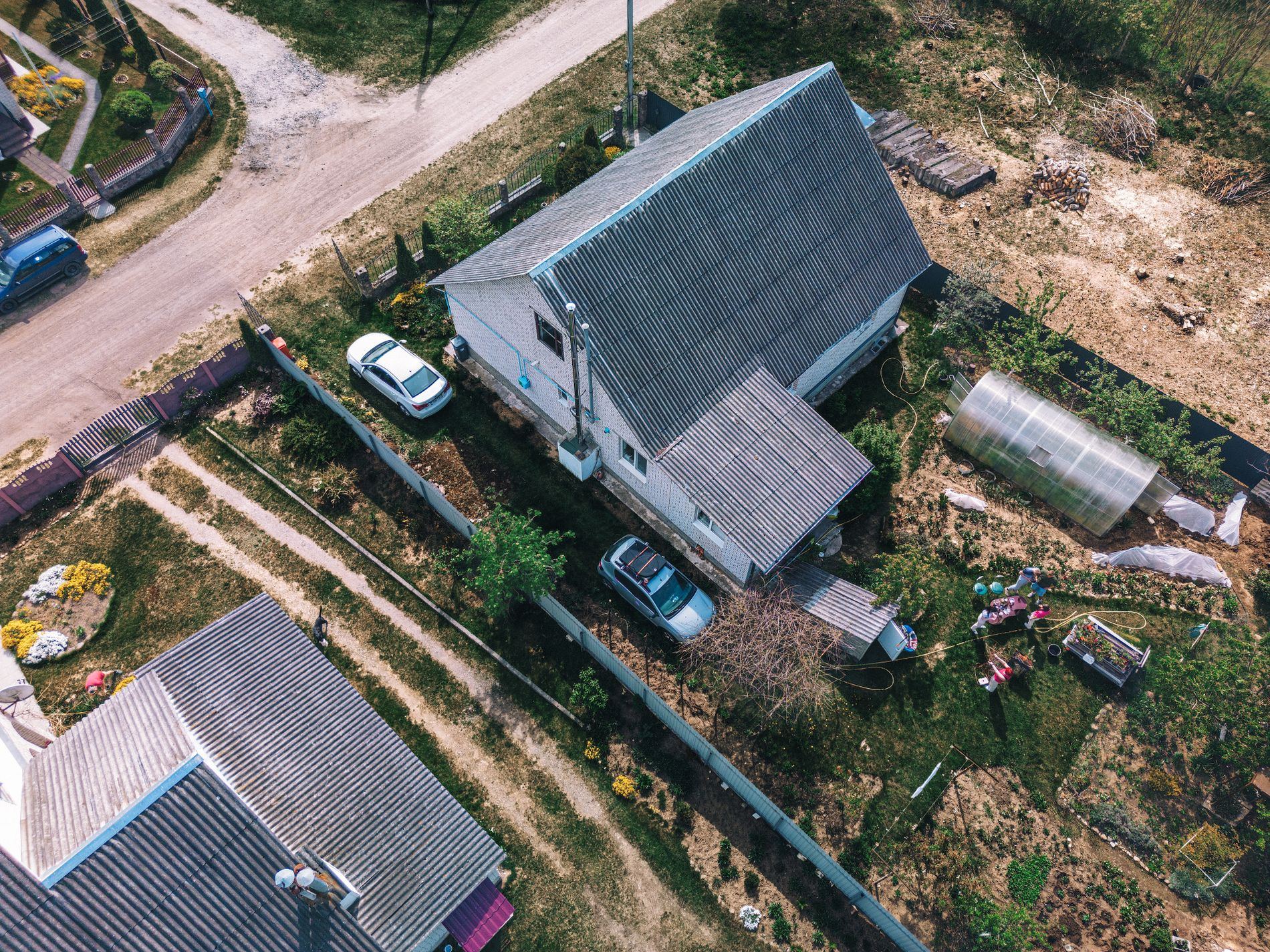
A specialist reviews the history of movement, inspects the house and plans the investigation needed before any repair starts.
-

Underpinning
Where foundations need deeper support, a contractor excavates sections below the existing footing and pours new concrete bases in sequence.
-

Resin Injection
A technician pumps expanding resin into voids or loose soil, compacting the ground without digging up floors or gardens.
-

Concrete Cracking
A specialist examines cracked concrete floors, slabs and drives to determine whether the damage stems from ground movement or surface wear. They then specify the repair method needed.
-

Screw Piling
An installer drives steel screw piles through unstable fill to reach load-bearing strata, supporting new bays or stabilising existing ones.
Towns covered across Kent
Enquiries from anywhere in Kent go to firms working across the county. The geology changes from town to town, so local knowledge matters when reading the ground.
If your town is missing, send an enquiry anyway. Firms travel throughout Kent.
Tell someone what you have found
Write down where the cracks are and how wide they look. That information goes to a specialist who decides whether a site visit is necessary. You are not agreeing to any work by sending it.
- No fee for the first look
- No obligation to proceed
- Local specialists only