For Kent homeowners
Cracks, sticking doors and leaning bays in Kent homes
Find out what the crack in your wall means, whether the ground under your part of Kent makes it more likely, and what a specialist looks at before deciding on a fix. One enquiry goes to one firm covering your area.

Which situation sounds like yours
The question is not what the crack is called but how soon to ask about it. Only a site inspection settles the cause. The signs below show where your home might sit on that scale so you know whether to act today or keep watching.
-
A door that started sticking last week and the gap above it keeps growingToday
Rapid widening usually points to active ground movement beneath the foundations rather than seasonal timber swelling.
What to do Ask for an inspection as soon as possible so the cause is recorded while it is still changing.
-
Diagonal cracks running from window corners down towards the floorSoon
Tapering cracks often follow differential settlement where one part of the footing sinks faster than another.
What to do Note when they appeared and arrange a visit within the next few weeks.
-
A bay window that leans outward and has pulled away from the main wallSoon
Bays have shallow footings and separate easily when clay shrinks or fill compresses beneath them.
What to do Measure the gap at the top and bottom, then ask a specialist to assess the lean.
-
Hairline cracks in plaster that open slightly in summer and close in winterWorth watching
Seasonal shrinkage and swelling of clay causes minor plaster cracking without structural damage in most cases.
What to do Mark the ends with a pencil and check again after the next dry spell.
-
A concrete drive or garage slab that has sunk at one edgeWorth watching
Washout or compaction of the sub-base lets slabs settle locally without affecting the house walls.
What to do Check drainage nearby and mention it if you ask about the house later.
None of this diagnoses your home. If movement is sudden or getting worse quickly, ask about it now rather than waiting.
How specialists stabilise homes in Kent
Different ground conditions across Kent call for different methods. A specialist picks the approach after inspecting the soil, the foundations and the pattern of damage at your home.
-
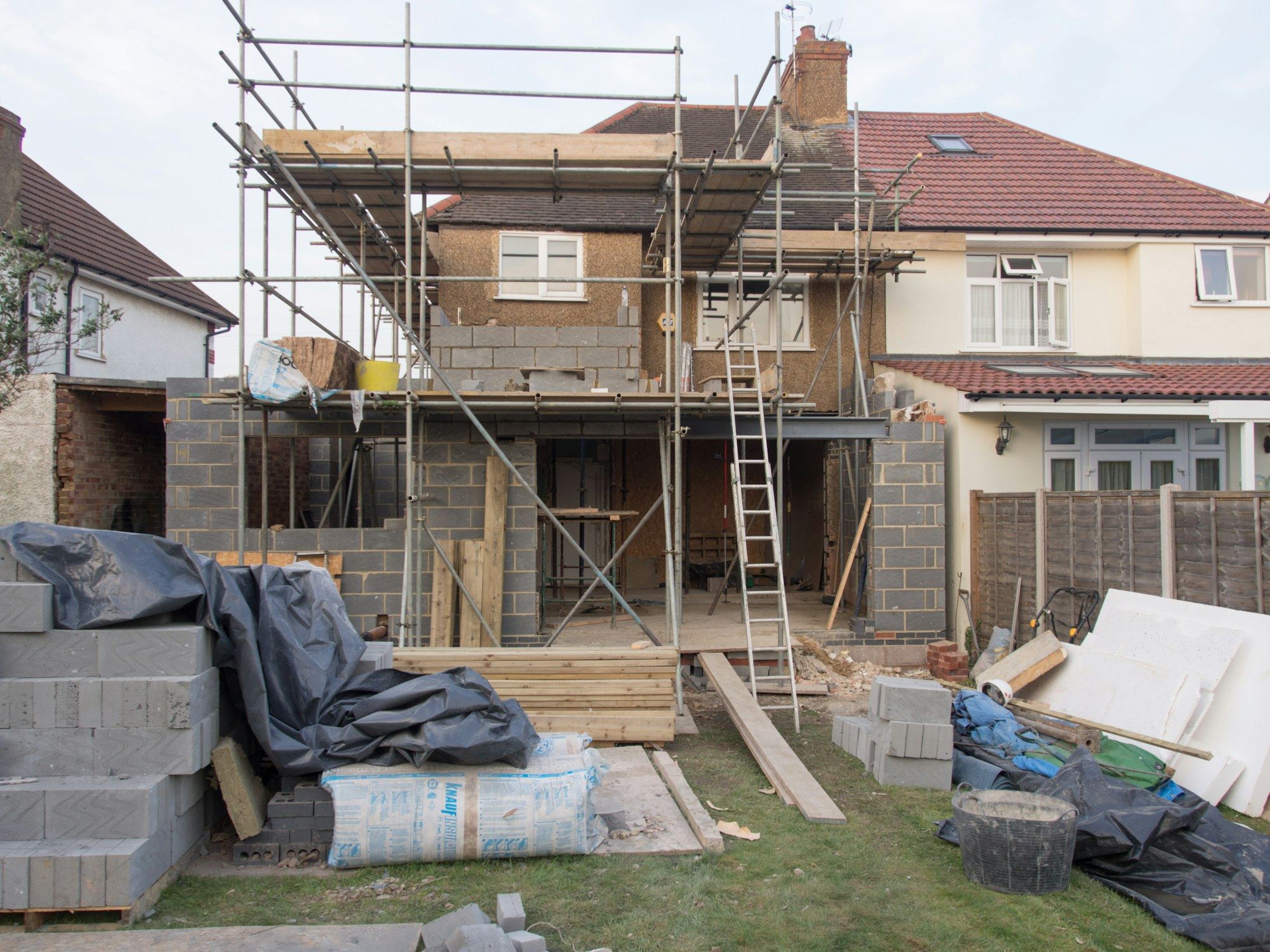
Subsidence Help
A specialist inspects the damage, identifies the cause in the local ground and manages the repair from first report to completion.
-

Underpinning
Where foundations need deepening, a specialist excavates below the existing footing and pours new concrete in controlled stages.
-
Resin Injection
A specialist injects expanding resin into weak or washed-out ground to fill voids and lift settled floors back toward level.
-

Concrete Cracking
A specialist assesses cracked slabs and drives, determines whether the sub-base has failed and repairs or replaces the concrete.
-

Screw Piling
A specialist drives steel screw piles beneath bays, porches or extensions where traditional excavation would risk further movement.
Typical costs for ground and foundation work
Prices vary because every home sits on different soil, carries a different load and has sustained a different amount of movement. Access, depth and the repair method all shift a job within its range. The figures below reflect typical market rates for this type of work.
-
Resin injection under a single room
£1,500 to £3,500
Depth of treatment and how much lift the floor needs to reach level again.
-
Repairing a cracked concrete slab
£2,000 to £5,000
Whether the sub-base needs replacing or only the surface requires breaking out and relaying.
-
Screw piling for a bay window
£3,000 to £7,000
Number of piles required and how far they must be driven to reach bearing strata.
-
Traditional underpinning per metre
£1,500 to £3,000
Depth to stable ground and whether drainage or services run through the trench.
-
Full subsidence repair on one wall
£8,000 to £20,000
Length of wall affected, access for plant and whether internal finishes need reinstatement.
These ranges indicate what work of this type typically costs. Nothing here is a quotation. Only a site inspection settles a figure for one home.
What happens after you send an enquiry
One person reads every enquiry. It goes to a single specialist firm covering your part of Kent. That firm decides its own fees directly with you. There is no charge for passing the details on.
-
Shortly after the enquiry is sent
Your details are read and forwarded to a firm that covers your postcode and the type of problem you described.
-
Usually within two working days
The specialist firm phones you to ask a few clarifying questions and arrange a convenient time to visit your home.
-
At a time you agree
A surveyor inspects the damage, checks the ground and explains what they found. You decide whether to proceed.
What to have ready before a specialist calls
The firm covering your area will ask the same opening questions. Having the answers written down saves repeating yourself and helps them judge urgency before they arrive. Gather what you can from the list below so the first conversation moves straight to the useful detail.
Keep these notes somewhere easy to find so you can read them out when the phone rings.
Tell us what you have noticed
Your description goes to one specialist firm covering your part of Kent. Sending it does not commit you to any work or payment. It starts a conversation about what the movement means for your home.
- No obligation to proceed
- No fee for the referral
- One firm, not several